
From PCOS to PMOS: Reframing Polycystic Ovary Syndrome as a Multisystem Endocrine-Metabolic Disorder
blog + news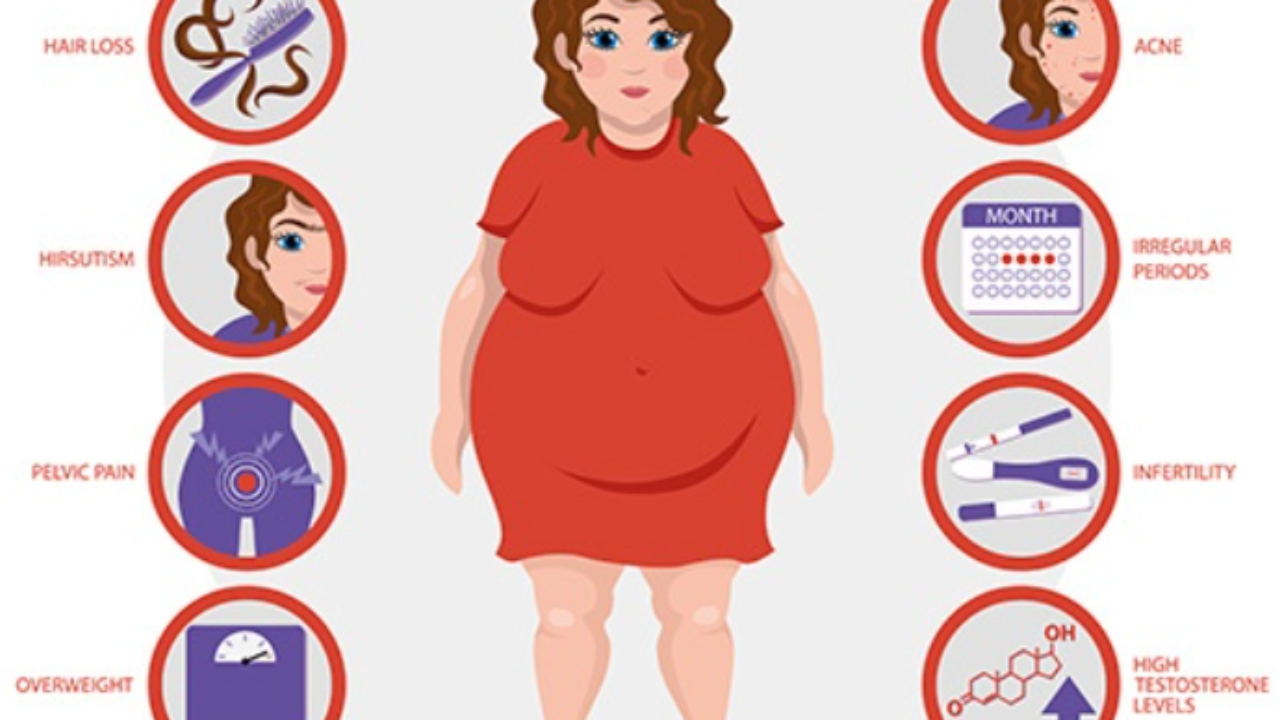
Introduction
Polycystic ovary syndrome (PCOS), now increasingly referred to as Polyendocrine Metabolic Ovarian Syndrome (PMOS), is one of the most prevalent endocrine disorders affecting women of reproductive age worldwide. Historically, PCOS was conceptualised primarily as a reproductive disorder characterised by chronic anovulation, menstrual irregularity, infertility and polycystic ovarian morphology. The original description by Stein and Leventhal in 1935 focused heavily on ovarian enlargement, amenorrhoea and infertility, establishing a framework that shaped clinical understanding for decades. However, contemporary evidence demonstrates that this ovarian-centric model is insufficient to explain the complexity, heterogeneity and systemic burden associated with the condition (Sadeghi et al., 2022).
The modern literature increasingly positions PCOS/PMOS as a multifactorial endocrine-metabolic-inflammatory syndrome involving interactions between insulin signalling, androgen excess, adipose tissue dysfunction, neuroendocrine dysregulation, inflammation, oxidative stress, gut microbiome disturbance and environmental influences (Su et al., 2025; Wang & Li, 2023). Reproductive dysfunction remains a hallmark feature, yet it is now recognised as only one manifestation within a broader systemic disorder. Women with PCOS/PMOS exhibit increased risk for insulin resistance, type 2 diabetes mellitus, dyslipidaemia, hypertension, cardiovascular disease, metabolic syndrome, non-alcoholic fatty liver disease, infertility, pregnancy complications, anxiety, depression and impaired quality of life (Di Lorenzo et al., 2023).
The proposed terminology shift from PCOS to PMOS reflects this broader understanding. The term “polycystic ovary syndrome” has long been criticised for being biologically reductionist and clinically misleading. Many affected women do not exhibit ovarian cysts, while others experience profound metabolic and endocrine dysfunction with minimal ovarian morphological abnormalities. The PMOS terminology therefore attempts to better encapsulate the multisystem endocrine and metabolic nature of the disorder rather than implying a disease isolated to ovarian cyst formation.
This narrative review synthesises contemporary literature examining the historical evolution, pathophysiology, diagnostic controversies, metabolic mechanisms, inflammatory biology, neuroendocrine dysfunction, gut microbiome involvement and therapeutic approaches associated with PCOS/PMOS. Particular emphasis is placed on the transition from a reproductive-only framework toward a systems-biology model integrating endocrine, metabolic, inflammatory and environmental contributors.
Historical Evolution of PCOS
The understanding of PCOS has undergone substantial transformation over the last century. Early descriptions focused primarily on infertility, amenorrhoea and enlarged polycystic ovaries. For decades, ovarian morphology remained central to diagnosis and conceptualisation. Over time, however, clinicians observed that many women with PCOS exhibited metabolic abnormalities extending beyond reproductive dysfunction (Stańczak et al., 2024).
The introduction of the Rotterdam criteria in 2003 broadened the diagnostic spectrum by allowing diagnosis when two of the following three features were present:
- hyperandrogenism
- ovulatory dysfunction
- polycystic ovarian morphology
This diagnostic expansion substantially increased prevalence estimates and highlighted the heterogeneity of the syndrome (Calcaterra et al., 2023).
While Rotterdam criteria improved inclusivity, they also introduced controversy. Some researchers argued that broadening the criteria created biologically distinct phenotypes grouped under one diagnostic umbrella. This became particularly relevant as evidence accumulated demonstrating significant differences between reproductive-dominant and metabolic-dominant phenotypes. More recent clustering analyses suggest the existence of at least two major subtypes:
- a reproductive subtype characterised by elevated luteinising hormone (LH) and relatively lower metabolic dysfunction
- a metabolic subtype characterised by obesity, hyperinsulinaemia and profound insulin resistance (Wang & Li, 2023)
This phenotypic heterogeneity is one of the major reasons the PMOS terminology has emerged. The contemporary literature increasingly argues that ovarian morphology alone inadequately reflects the syndrome’s underlying biology.
Learn all about PCOS/PMOS
Insulin Resistance and Hyperinsulinaemia
Insulin resistance represents one of the most extensively studied and clinically significant features of PCOS/PMOS. Approximately 60–95% of affected women exhibit some degree of insulin resistance or hyperinsulinaemia depending on phenotype, body composition and diagnostic criteria (Houston & Templeman, 2025).
Historically, insulin resistance was viewed primarily as a secondary consequence of obesity. However, contemporary evidence challenges this simplistic model. Insulin resistance is now recognised across lean and obese phenotypes, suggesting intrinsic metabolic dysfunction independent of adiposity alone (Li et al., 2022).
Importantly, newer literature has begun challenging the long-held assumption that insulin resistance always precedes hyperinsulinaemia. Emerging mechanistic models suggest hyperinsulinaemia itself may be an upstream driver contributing to insulin resistance, ovarian androgen production and metabolic dysfunction (Houston & Templeman, 2025).
This distinction is clinically important because insulin exerts direct ovarian effects independent of glucose metabolism. Hyperinsulinaemia stimulates theca cell androgen synthesis, suppresses hepatic sex hormone-binding globulin (SHBG) production and amplifies free androgen availability. Elevated insulin levels therefore worsen hyperandrogenism while simultaneously impairing follicular maturation and ovulation (Sharma & Welt, 2021).
A self-perpetuating cycle emerges whereby:
- hyperinsulinaemia increases androgen production
- androgen excess worsens insulin resistance
- worsening insulin resistance further elevates insulin secretion
This bidirectional endocrine-metabolic loop appears central to PCOS/PMOS pathogenesis.
Hyperandrogenism and Ovarian Dysfunction
Hyperandrogenism remains one of the defining biological features of PCOS/PMOS and contributes significantly to clinical presentation. Elevated androgen activity manifests through:
- hirsutism
- acne
- androgenic alopecia
- ovulatory dysfunction
- follicular arrest
Contemporary literature increasingly frames androgen excess not merely as a symptom but as an active mechanistic driver (Sharma & Welt, 2021).
Androgens appear capable of altering:
- adipocyte differentiation
- insulin signalling
- hypothalamic-pituitary feedback
- inflammatory pathways
- mitochondrial function
This broader endocrine role supports the PMOS concept, whereby androgen excess contributes to systemic metabolic dysfunction rather than functioning solely as a reproductive abnormality.
Recent interest has also focused on adrenal-derived 11-oxygenated androgens, which may contribute substantially to hyperandrogenic burden in some women. This further broadens the syndrome beyond ovarian dysfunction alone and reinforces the concept of multiple endocrine systems participating in disease expression.
Ovarian physiology is profoundly disrupted in PCOS/PMOS. Excess androgen exposure promotes follicular arrest at the small antral stage, impairing dominant follicle selection and ovulation. Elevated anti-Müllerian hormone (AMH), frequently observed in PCOS, may further suppress follicular maturation and alter hypothalamic gonadotropin-releasing hormone (GnRH) pulsatility (Wang & Li, 2023).
Hormone Rehab Membership
Neuroendocrine Dysfunction
Emerging evidence increasingly highlights neuroendocrine dysregulation as a critical contributor to PCOS/PMOS pathophysiology. Women with PCOS frequently exhibit elevated LH pulse frequency and amplitude, suggesting altered hypothalamic GnRH signalling (Su et al., 2025).
The KNDy neuron network, involving kisspeptin, neurokinin B and dynorphin neurons, has become an important area of investigation. These upstream regulators influence GnRH pulsatility and may be altered by androgen excess and AMH elevation (Wang & Li, 2023).
High circulating AMH may directly stimulate GnRH neuron activity, favouring LH hypersecretion and perpetuating ovarian androgen production. This creates another self-reinforcing feedback loop linking ovarian dysfunction with hypothalamic signalling.
The neuroendocrine model is particularly important because it reframes PCOS/PMOS as involving central nervous system regulation rather than isolated ovarian pathology.
Inflammation, Oxidative Stress and Adipose Tissue Dysfunction
One of the strongest recurring themes across contemporary literature is the role of chronic low-grade inflammation in PCOS/PMOS. Women with PCOS exhibit increased inflammatory cytokines, oxidative stress markers and altered adipokine profiles even after controlling for obesity in some studies (Sadeghi et al., 2022).
Adipose tissue is now recognised as an active endocrine and immune organ rather than passive energy storage. Adipose dysfunction in PCOS may involve:
- impaired adipogenesis
- adipocyte hypertrophy
- mitochondrial dysfunction
- endoplasmic reticulum stress
- oxidative stress
- altered adipokine secretion
- inflammatory cytokine release
Importantly, these abnormalities may occur even in women without overt obesity (Sadeghi et al., 2022).
This observation challenges older obesity-centric models of PCOS and supports the concept that adipose tissue quality and metabolic function may be more important than body mass index alone.
Oxidative stress may further impair insulin signalling, steroidogenesis and mitochondrial energy metabolism, reinforcing systemic dysfunction.
Gut Microbiome and the Gut-Endocrine Axis
The gut microbiome has emerged as a rapidly developing area of PCOS/PMOS research. Dysbiosis has been linked with:
- insulin resistance
- systemic inflammation
- increased intestinal permeability
- altered bile acid metabolism
- androgen metabolism
- short-chain fatty acid production
- immune activation
Several studies report altered microbial diversity and increased abundance of potentially pro-inflammatory bacterial species in women with PCOS (Calcaterra et al., 2023).
The gut microbiome may contribute to systemic inflammation through lipopolysaccharide translocation and immune activation. These inflammatory changes may worsen insulin resistance and androgen excess, further integrating gut health into endocrine-metabolic regulation.
Although probiotics and synbiotics show promise for improving insulin sensitivity, inflammatory markers and androgen profiles, the current evidence base remains limited by small sample sizes, short intervention durations and heterogeneous methodologies (Calcaterra et al., 2023).
Nonetheless, the microbiome literature strongly supports the broader PMOS model involving multisystem endocrine and immune interactions.
Book a consultation
Psychological and Psychiatric Burden
Psychological dysfunction is increasingly recognised as a major component of PCOS/PMOS rather than a secondary consequence of cosmetic symptoms alone. Women with PCOS exhibit increased prevalence of:
- anxiety
- depression
- body image disturbance
- eating disorders
- reduced quality of life
These outcomes likely arise through complex interactions involving hyperandrogenism, insulin resistance, inflammation, weight stigma, infertility stress and neuroendocrine dysregulation (Di Lorenzo et al., 2023).
The psychological burden of PCOS/PMOS further reinforces the inadequacy of purely ovarian-focused disease models.
Lifestyle and Nutritional Interventions
The strongest area of consensus across treatment literature is that lifestyle intervention remains foundational in PCOS/PMOS management. However, modern literature increasingly rejects simplistic “eat less and move more” paradigms in favour of nuanced metabolic and behavioural approaches (Gautam et al., 2025).
Dietary patterns associated with benefit include:
- Mediterranean diets
- low glycaemic index diets
- anti-inflammatory dietary patterns
- ketogenic approaches
- high-fibre diets
- omega-3 rich diets (Muhammed Saeed et al., 2025)
These interventions may improve:
- insulin sensitivity
- ovulatory function
- inflammatory status
- androgen profiles
- adiposity
- metabolic health
Exercise interventions, particularly resistance and aerobic training, improve insulin sensitivity and body composition independent of major weight loss (Gautam et al., 2025).
Behavioural support also appears critical. The literature increasingly recognises that long-term symptom improvement requires sustainable behavioural and psychological intervention rather than short-term restrictive dieting.
Pharmacological Management
Pharmacotherapy in PCOS/PMOS remains largely symptom-targeted.
Combined oral contraceptive pills improve menstrual regulation and biochemical hyperandrogenism, while metformin appears more effective for metabolic outcomes, especially in insulin-resistant phenotypes (Melin et al., 2023).
Metformin improves:
- insulin sensitivity
- menstrual regularity
- ovulation rates in selected patients
However, evidence for significant improvement in hirsutism, acne or long-term weight loss remains inconsistent (Saadati et al., 2025).
GLP-1 receptor agonists represent one of the most promising emerging therapies due to their effects on:
- body weight
- insulin resistance
- appetite regulation
- metabolic inflammation
Newer literature suggests these therapies may have important reproductive-metabolic crossover benefits in selected patients with obesity and insulin resistance.
Discussion
The collective evidence strongly supports a conceptual transition from PCOS toward PMOS. The syndrome is increasingly recognised as a multisystem disorder involving complex interactions between endocrine, metabolic, inflammatory, neurological and environmental pathways.
Importantly, ovarian dysfunction appears increasingly downstream rather than isolated. Hyperinsulinaemia, androgen excess, adipose dysfunction, inflammatory signalling and neuroendocrine dysregulation interact in dynamic feedback loops contributing to disease heterogeneity.
This systems-level understanding has major implications for diagnosis and treatment. It suggests that:
- ovarian morphology alone is insufficient
- BMI alone is inadequate for risk assessment
- metabolic dysfunction exists across phenotypes
- psychological health must be integrated into care
- personalised treatment approaches are required
The PMOS terminology therefore reflects more than semantic change. It represents a broader biological reclassification aligned with modern evidence.
Conclusion
The understanding of PCOS has evolved substantially from its original ovarian-centric description. Contemporary literature increasingly supports a systems-biology model characterised by interactions between insulin dysfunction, androgen excess, inflammation, adipose tissue biology, neuroendocrine signalling, gut microbiome disturbance and reproductive dysfunction.
The emerging PMOS terminology better reflects the endocrine-metabolic complexity of the syndrome and acknowledges that ovarian manifestations represent only one component of a broader multisystem disorder.
Future research should prioritise:
- phenotype-specific mechanistic studies
- longitudinal metabolic tracking
- adolescent diagnostic refinement
- microbiome and immune-targeted interventions
- precision medicine approaches
- integrated endocrine-metabolic treatment models
Ultimately, reframing PCOS as PMOS may improve both scientific understanding and clinical care by encouraging a more comprehensive, systems-oriented approach to women’s health.
References
Calcaterra, V., Rossi, V., Massini, G., Casini, F., Zuccotti, G., & Fabiano, V. (2023). Probiotics and Polycystic Ovary Syndrome: A perspective for management in adolescents with obesity. Nutrients, 15(14), 3144. https://doi.org/10.3390/nu15143144
Di Lorenzo, M., Cacciapuoti, N., Lonardo, M. S., Nasti, G., Gautiero, C., Belfiore, A., Guida, B., & Chiurazzi, M. (2023). Pathophysiology and nutritional approaches in polycystic ovary syndrome (PCOS): A comprehensive review. Current Nutrition Reports, 12, 527–544. https://doi.org/10.1007/s13668-023-00479-8
Gautam, R., Maan, P., Jyoti, A., Kumar, A., Malhotra, N., & Arora, T. (2025). The role of lifestyle interventions in PCOS management: A systematic review. Nutrients, 17(2), 310. https://doi.org/10.3390/nu17020310
Houston, E. J., & Templeman, N. M. (2025). Reappraising the relationship between hyperinsulinemia and insulin resistance in PCOS. Journal of Endocrinology, 265, e240269. https://doi.org/10.1530/JOE-24-0269
Li, M., Chi, X., Wang, Y., Setrerrahmane, S., Xie, W., & Xu, H. (2022). Trends in insulin resistance: Insights into mechanisms and therapeutic strategy. Signal Transduction and Targeted Therapy, 7, 216. https://doi.org/10.1038/s41392-022-01073-0
Melin, J., Forslund, M., Alesi, S., Piltonen, T., Romualdi, D., Spritzer, P. M., Tay, C. T., Pena, A., Witchel, S. F., Mousa, A., & Teede, H. (2023). Metformin and combined oral contraceptive pills in the management of polycystic ovary syndrome: A systematic review and meta-analysis. Journal of Clinical Endocrinology & Metabolism.
Muhammed Saeed, A. A., Noreen, S., Awlqadr, F. H., Farooq, M. I., Qadeer, M., Rai, N., Farag, H. A., & Saeed, M. N. (2025). Nutritional and herbal interventions for polycystic ovary syndrome (PCOS): A comprehensive review of dietary approaches, macronutrient impact, and herbal medicine in management. Journal of Health, Population and Nutrition, 44, 143. https://doi.org/10.1186/s41043-025-00899-y
Saadati, S., Mason, T., Godini, R., Vanky, E., Teede, H., & Mousa, A. (2025). Metformin use in women with polycystic ovary syndrome (PCOS): Opportunities, benefits, and clinical challenges. Diabetes, Obesity and Metabolism, 27(Suppl. 3), 31–47. https://doi.org/10.1111/dom.16422
Sadeghi, H. M., Adeli, I., Calina, D., Docea, A. O., Mousavi, T., Daniali, M., Nikfar, S., Tsatsakis, A., & Abdollahi, M. (2022). Polycystic ovary syndrome: A comprehensive review of pathogenesis, management, and drug repurposing. International Journal of Molecular Sciences, 23(2), 583. https://doi.org/10.3390/ijms23020583
Sharma, A., & Welt, C. K. (2021). Practical approach to hyperandrogenism in women. Medical Clinics of North America, 105(6), 1099–1116. https://doi.org/10.1016/j.mcna.2021.06.008
Stańczak, N. A., Grywalska, E., & Dudzińska, E. (2024). The latest reports and treatment methods on polycystic ovary syndrome. Annals of Medicine, 56(1), 2357737. https://doi.org/10.1080/07853890.2024.2357737
Su, P., Chen, C., & Sun, Y. (2025). Physiopathology of polycystic ovary syndrome in endocrinology, metabolism and inflammation. Journal of Ovarian Research, 18, 34. https://doi.org/10.1186/s13048-025-01621-6
Wang, K., & Li, Y. (2023). Signaling pathways and targeted therapeutic strategies for polycystic ovary syndrome. Frontiers in Endocrinology, 14, 1191759. https://doi.org/10.3389/fendo.2023.1191759
