
Endometriosis is far more than “bad period pain.”
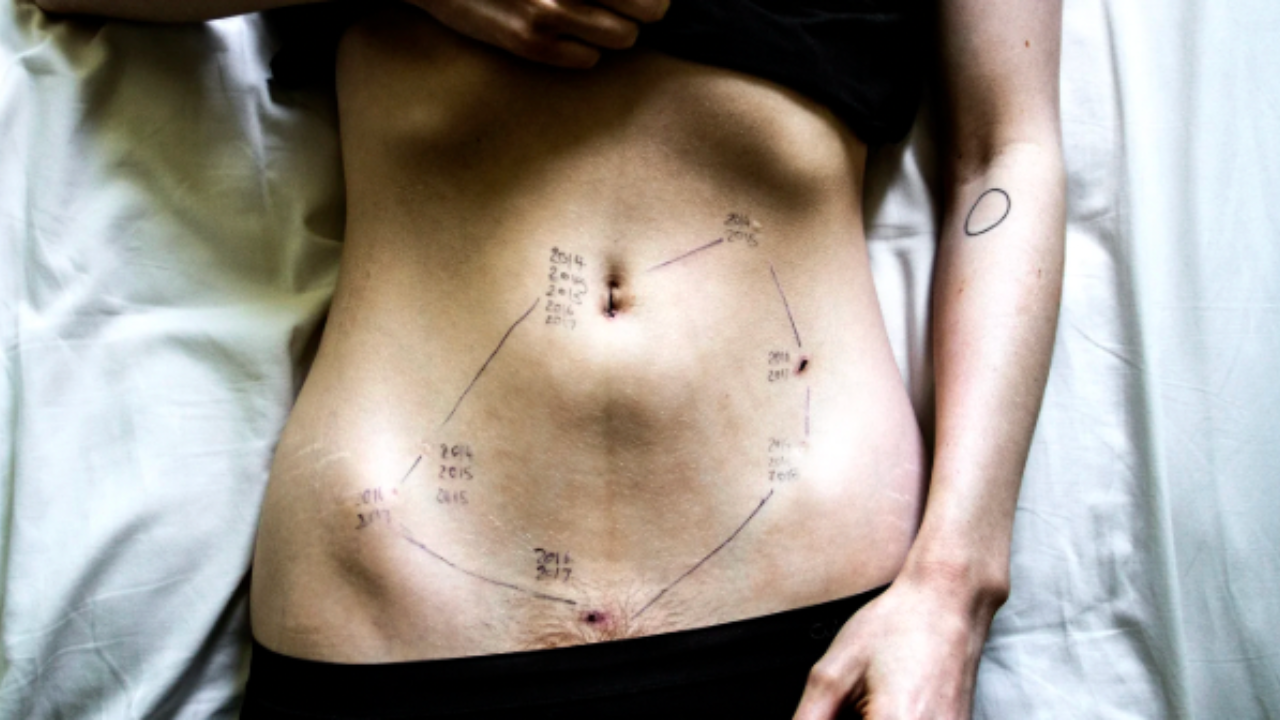
Endometriosis, Fertility, and the Power of Surgical Treatment: What the Latest Research Really Means for You
Endometriosis is far more than “bad period pain.”
It is a chronic, systemic inflammatory condition that can affect the gut, hormones, metabolism, pelvic environment, and for many women, fertility.
Up to one third of women with endometriosis struggle to conceive, and among women with “unexplained infertility,” up to 90 percent are later found to have the disease. For years, women have been told to try IVF or wait and see, often without a clear understanding of what is actually happening inside their body.
A new study helps provide clarity and hope.
It reinforces something women with endometriosis deserved to know long ago: treating the condition directly can make a powerful difference.
This research shows that laparoscopic surgery significantly improves pregnancy outcomes, even for women who previously failed fertility treatment. And when surgery is paired with targeted hormonal, metabolic, and gut-based support such as what the Hormone Rehab membership offers, outcomes can be even stronger.
Here is what you need to know.
A Study You Need to Know About: 95 Women, Real Outcomes, Real Hope
Between 2015 and 2023, researchers followed 95 women with endometriosis-related infertility who underwent laparoscopic surgery performed by an expert specialist. These women fell into two groups:
• Women who had already tried fertility treatment such as IUI or IVF without success
• Women who had not yet attempted any fertility treatments
The goal was to understand whether laparoscopic surgery improves pregnancy rates, and whether timing matters.
The results were impressive and deeply encouraging.
82 to 78 Percent Pregnancy Success After Surgery
Across both groups, the outcomes were exceptionally strong:
82 percent of women who previously failed fertility treatment conceived after surgery
78 percent of women with no prior fertility treatment conceived after surgery
These numbers are far higher than typical fertility success rates seen among women with endometriosis. This strongly suggests that treating the disease itself rather than only treating the symptoms is a foundational step in restoring reproductive potential.
Women who had not yet tried IUI or IVF experienced something even more exciting: nearly one third conceived naturally after surgery.
This clearly shows that endometriosis is not simply a fertility issue. It is an inflammatory and metabolic issue that affects reproductive function at every level.
Stage of Disease Does Not Predict Success
One of the most important insights from the study is this:
All stages of endometriosis from mild to severe showed similar pregnancy outcomes after surgery.
Women are often told they should not be struggling because their disease is “only stage I.” This is inaccurate and dismissive.
Even minimal lesions can interfere with ovulation, implantation, hormone regulation, pelvic inflammation, and overall reproductive health.
The staging of endometriosis does not reflect the internal biochemical and inflammatory environment.
This study reinforces what many experts already knew: any level of endometriosis can impact fertility, and all stages may benefit from treatment.
Endometriomas Are Not Always the Barrier We Once Believed
In women who had not yet tried fertility treatment, those with endometriomas were actually more likely to conceive after surgery compared to those without endometriomas.
When removed by an experienced laparoscopic surgeon using techniques that protect ovarian tissue, the surgery did not reduce fertility potential. Instead, it improved it.
This supports emerging evidence that the inflammatory burden of endometriomas can negatively affect ovarian function, and that careful removal may improve the ovarian environment.
Age Matters, but Surgery Still Helps
Among women who had not yet pursued fertility treatment, younger age predicted higher pregnancy success.
However, for women who had already undergone failed fertility treatments, age no longer appeared to influence outcomes.
This tells us two important things:
-
Early intervention is ideal
-
Surgery can still restore reproductive potential even after failed IVF
Why This Research Matters for You
This study provides some of the clearest evidence to date that:
✔ Treating endometriosis directly improves fertility
✔ Surgery often restores the chance of natural conception
✔ IVF outcomes improve when the pelvic environment is optimised
✔ The earlier inflammation is addressed, the better the reproductive outlook
✔ Endometriosis must be managed as a whole-body condition
And this is exactly where the Hormone Rehab membership becomes so valuable.
How Hormone Rehab Complements Surgery for Endometriosis
Surgery can remove lesions and scar tissue, but it does not address:
-
chronic inflammation pathways
-
immune system dysregulation
-
estrogen metabolism issues
-
gut dysbiosis and microbiome imbalance
-
blood sugar instability
-
micronutrient deficiencies
-
prostaglandin overproduction
-
stress-mediated hormone disruption
This is why symptoms often return when underlying drivers are not properly supported. Many women feel relief for a few months after surgery but then notice their pain, bloating, irregular cycles, or fatigue creeping back.
Hormone Rehab exists to bridge this gap.
Surgery removes the fire. Hormone rehab removes the fuel.
Here is how.
Why Hormone Rehab Works So Well for Women With Endometriosis
1. Anti-inflammatory Nutrition Protocols
Endometriosis thrives in an inflammatory internal environment. Food influences inflammation every single day.
Inside Hormone Rehab, women receive:
-
personalised anti-inflammatory nutrition plans
-
omega-3 and micronutrient optimisation
-
supportive gut-directed dietary strategies
-
low inflammatory recipes and templates
This sets up a stable internal environment that protects the gains made from surgery.
2. Gut Support and the Gut to Pelvis Connection
Women with endometriosis often experience increased intestinal permeability, altered gut bacteria, and elevated inflammation markers.
Hormone Rehab supports this through:
-
targeted probiotic and prebiotic strategies
-
restoring digestive balance
-
supporting liver and estrogen clearance
-
improving nutrient absorption
A healthier gut leads to a calmer pelvis.
3. Support for Estrogen Metabolism and Detoxification
Endometriosis is not caused by estrogen, but excess estrogen or poor clearance can worsen symptoms.
Hormone Rehab guides women to:
-
support phase one and phase two detoxification
-
incorporate estrogen balancing foods
-
use safe supplementation where needed
-
optimise menstrual cycle health
This reduces bloating, pain, and hormonal flare ups.
4. Immune System Support and Pain Pathway Regulation
Endometriosis involves complex immune issues, including oxidative stress and altered immune signalling.
Hormone Rehab integrates:
-
antioxidant support
-
nutrient repletion
-
inflammation reducing lifestyle practices
-
strategies to regulate the stress response
This improves energy, reduces flare severity, and promotes long-term stability.
5. A Structured Framework for Consistent Progress
Women with endometriosis often feel overwhelmed and unsupported. What they need is clarity, structure, and guidance.
Hormone Rehab includes:
-
monthly practitioner reviews
-
medication and supplement coaching
-
cycle tracking and symptom analysis
-
personalised lifestyle protocols
-
sustainable meal frameworks
-
accountability and long-term support
This removes guesswork and replaces it with a personalised plan.
Why Hormone Rehab Is the Perfect Companion to Endometriosis Surgery
If surgery removes the immediate disease burden, Hormone Rehab helps ensure that:
-
inflammation remains well controlled
-
hormones stay balanced
-
metabolism supports healthy cycles
-
the gut microbiome is regulated
-
recovery is stronger
-
flares become less frequent
-
fertility potential continues to improve
-
recurrence risk is reduced
Surgery can reset the body. Hormone Rehab teaches it how to stay there.
If You Are Navigating Endometriosis, You Do Not Have to Do It Alone
The research is clear. Endometriosis is manageable. Fertility can improve. Your quality of life can improve.
Your symptoms do not have to control your future.
But you need a plan.
You need guidance.
You need a system that supports your hormones, metabolism, immune function, and long-term pelvic health.
That is what the Hormone Rehab membership is designed to provide.
Learn more about Hormone Rehab and how it can support your endometriosis journey:
https://www.inherhealthclinic.com/advanced-membership
You deserve clarity. You deserve support. You deserve a life that is not dictated by pain or hormones.
All my love to anyone suffering from endometriosis xo
